Attractions
Editorial overviews, tips, and linked experiences.
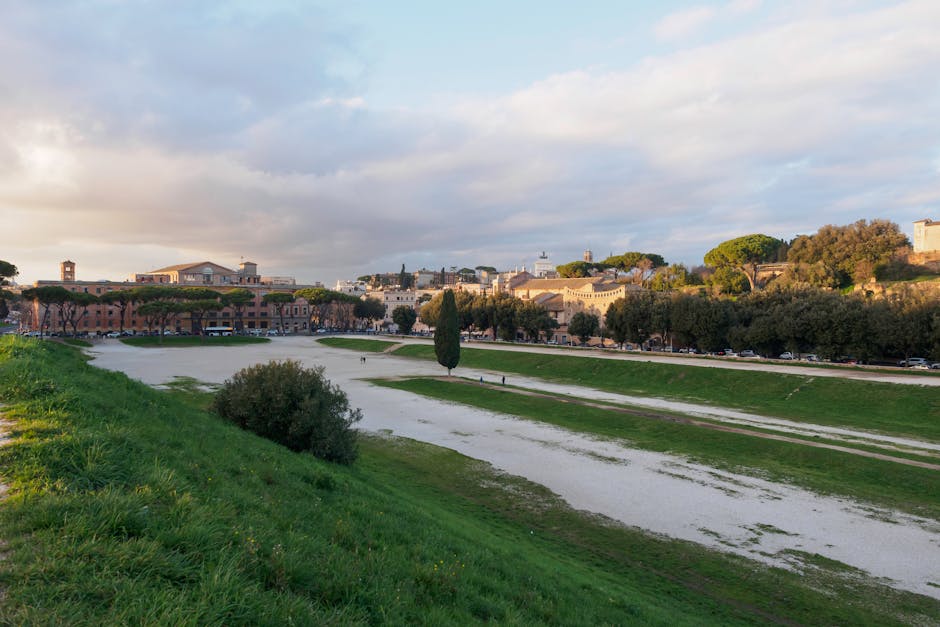
Circus Maximus
Featured
Circus Maximus was Ancient Rome’s largest chariot stadium, now an open archaeological park where the scale is still impressive.
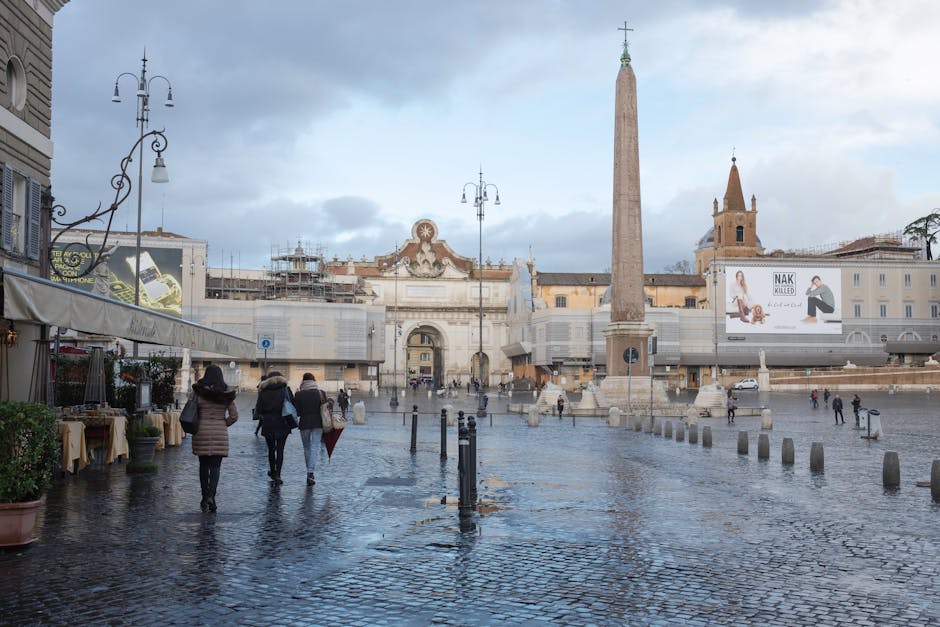
Piazza del Popolo
Featured
Piazza del Popolo is Rome’s grand northern gateway, framed by twin churches, an Egyptian obelisk, and the city gate.
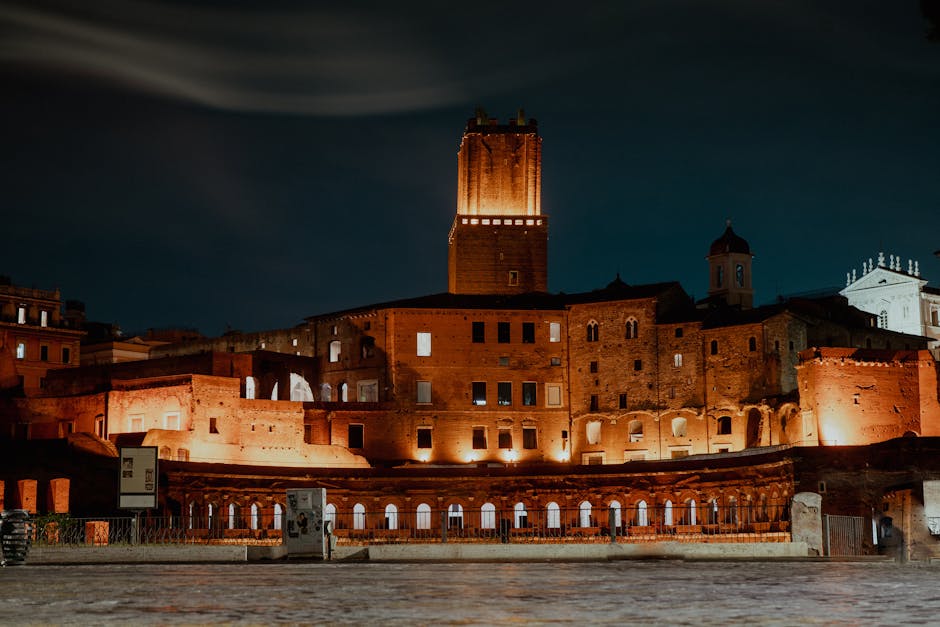
Rome at Night
Featured
Rome at night reveals illuminated monuments and a calmer, more cinematic atmosphere across the historic center.
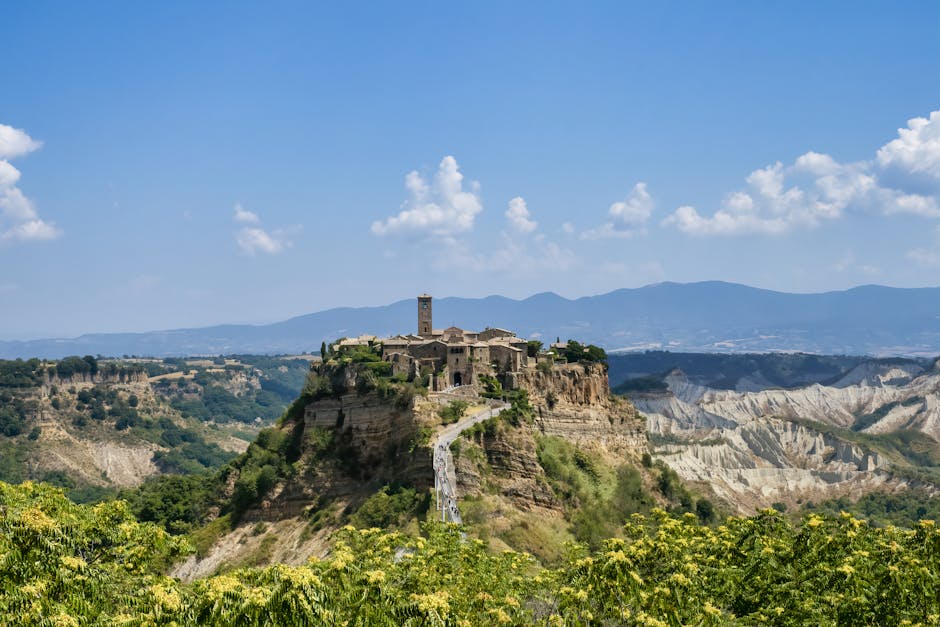
Appian Way
The Appian Way is one of Rome’s oldest roads, lined with tombs, aqueducts, and peaceful countryside scenery.
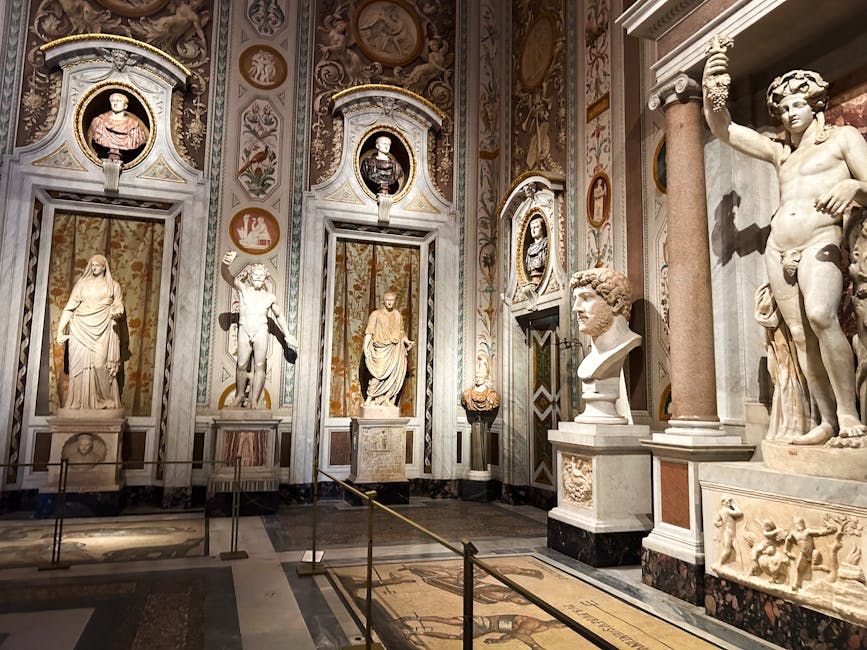
Borghese Gallery
The Borghese Gallery is an intimate, reservation‑only museum featuring Bernini, Caravaggio, and Raphael in a historic villa.
Campo de’ Fiori
Campo de’ Fiori is a lively square known for its daytime market and energetic nightlife scene.
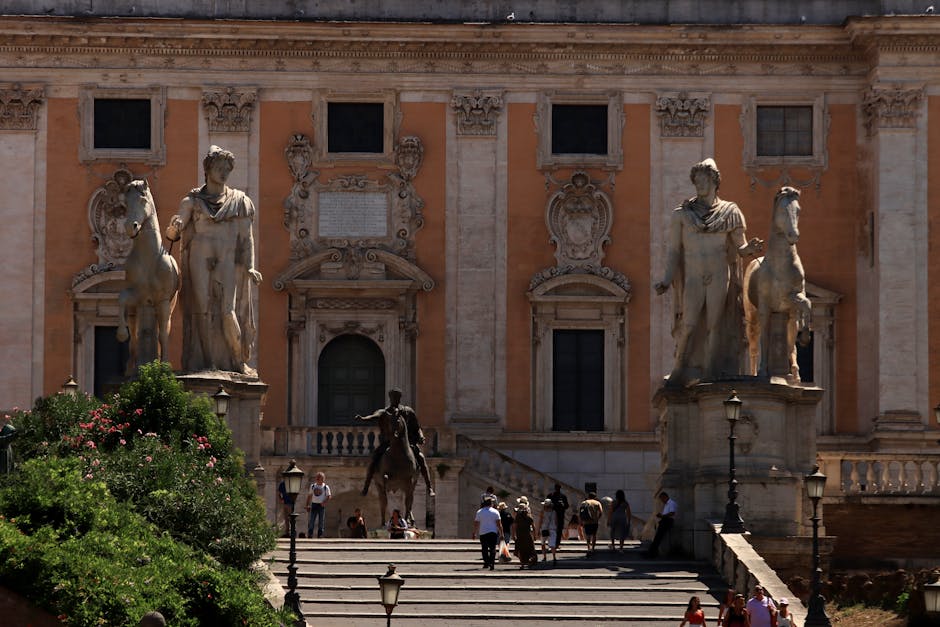
Capitoline Museums
The Capitoline Museums are the world’s oldest public museums, showcasing Rome’s sculpture, reliefs, and civic heritage on Capitoline Hill.
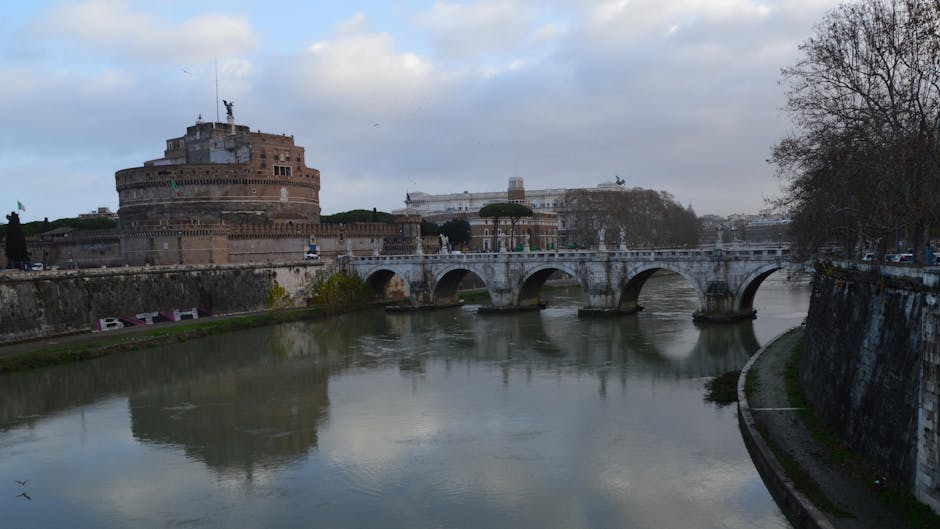
Castel Sant’Angelo
Castel Sant’Angelo began as Emperor Hadrian’s mausoleum and later became a papal fortress and museum overlooking the Tiber.
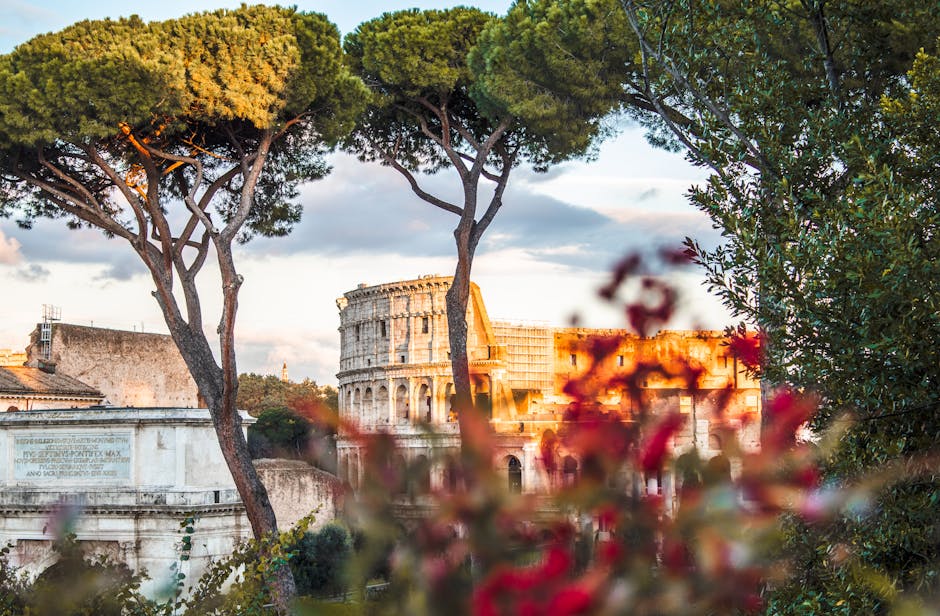
Colosseum
Rome’s signature amphitheatre, the Colosseum staged public spectacles and projected imperial power — today it remains the city’s most iconic monument.
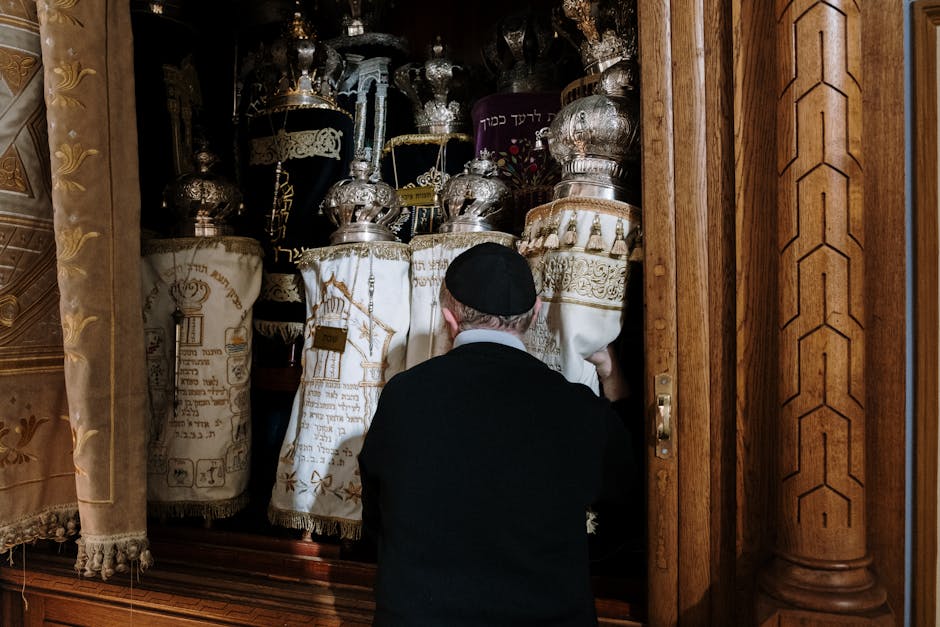
Jewish Ghetto
The Jewish Ghetto is one of Rome’s most historic districts, celebrated for Roman‑Jewish cuisine and centuries of heritage.
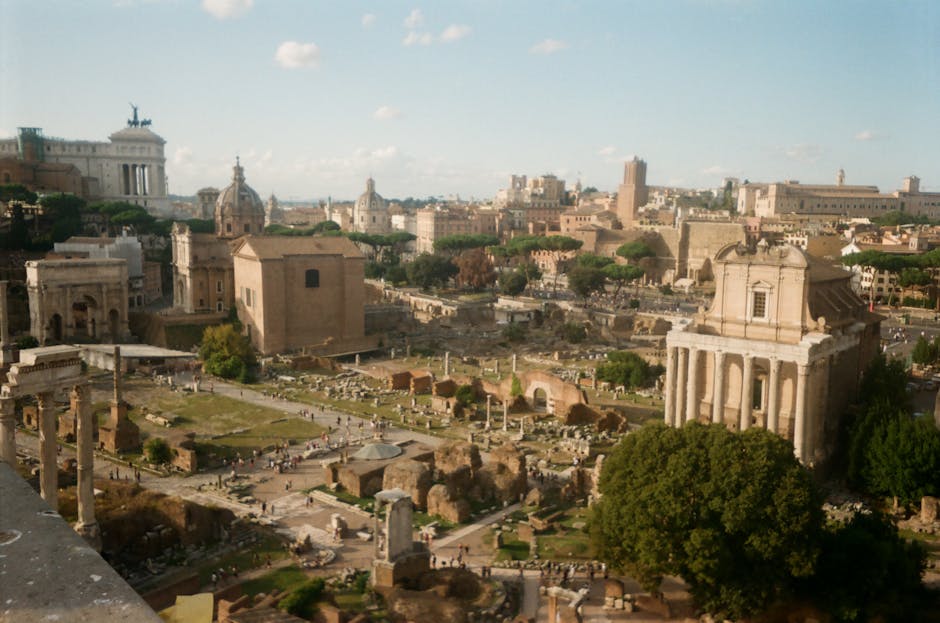
Palatine Hill
Palatine Hill blends legend and empire — the city’s founding hill and a former imperial residence with sweeping views of the Forum and Circus Maximus.
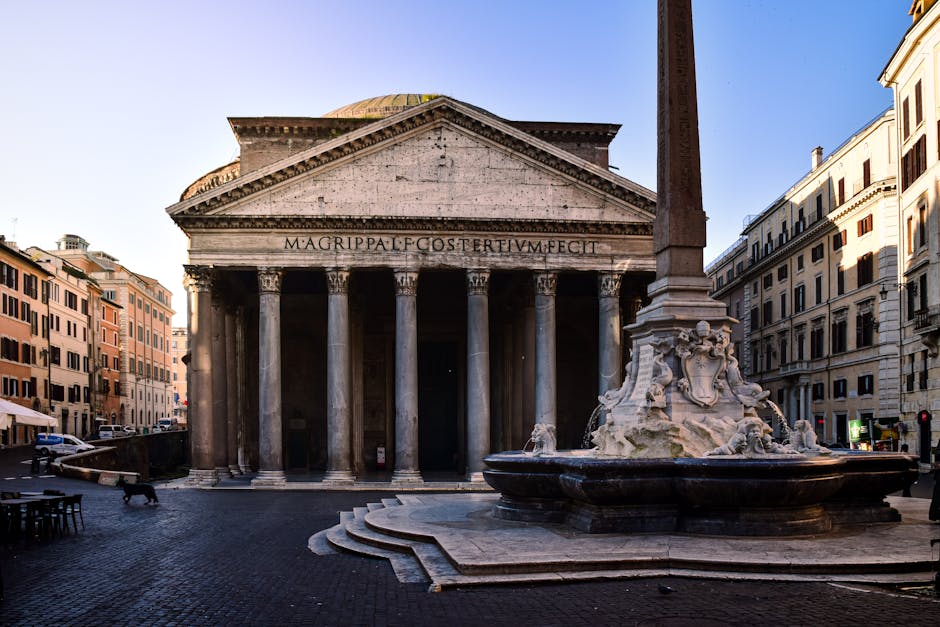
Pantheon
The Pantheon is one of Ancient Rome’s best‑preserved monuments, famous for its massive concrete dome and open oculus.
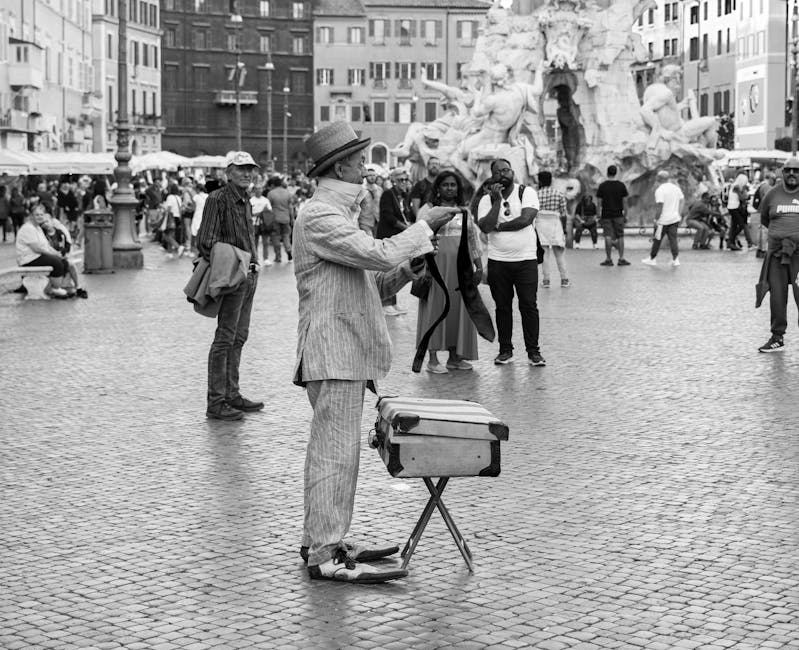
Piazza Navona
Piazza Navona is a Baroque showpiece built on an ancient stadium, celebrated for Bernini’s fountains and lively street scene.
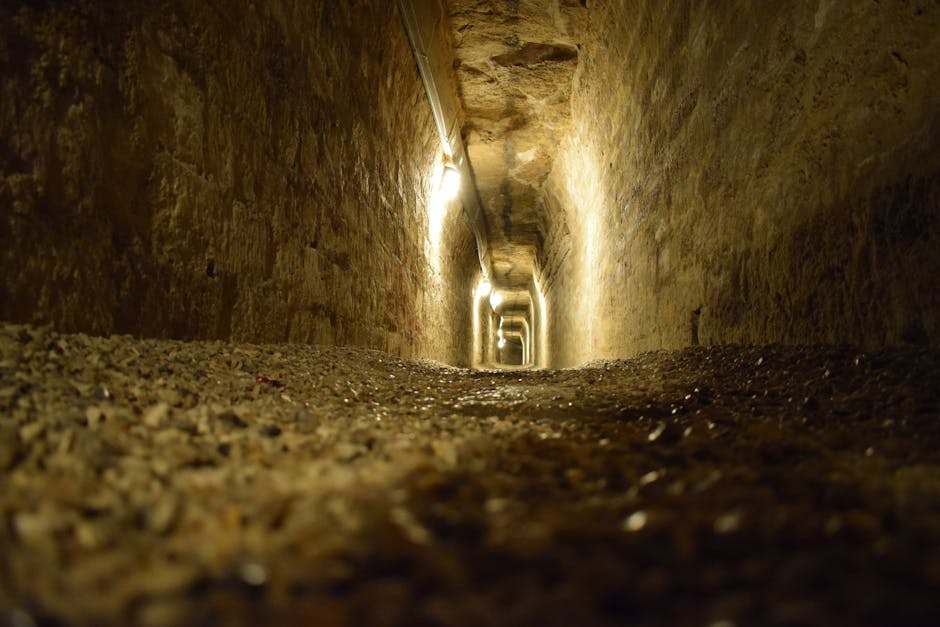
Roman Catacombs
The Roman Catacombs are underground burial networks that preserve early Christian art and a quieter side of Rome’s history.
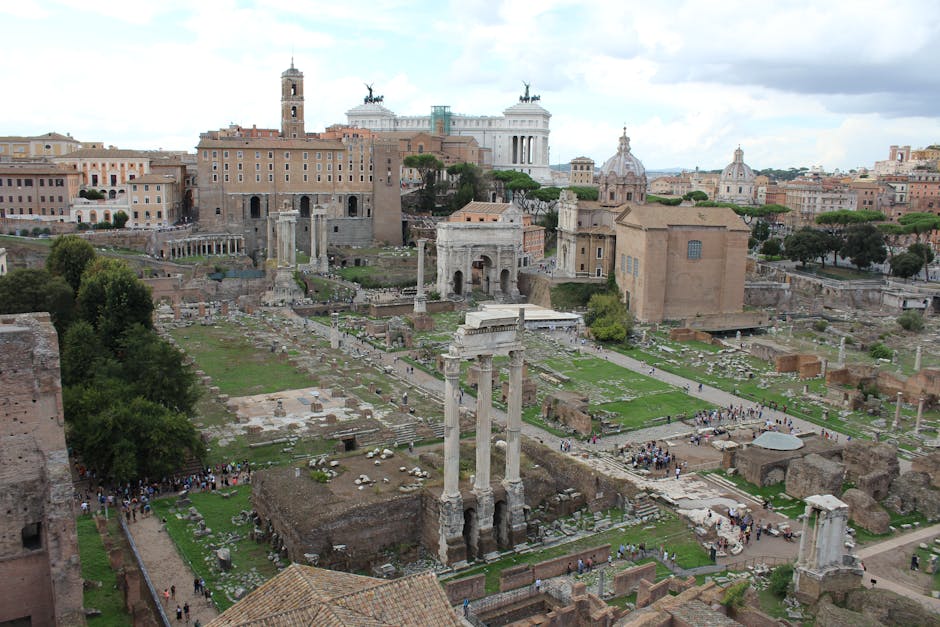
Roman Forum
The Roman Forum was the civic core of Ancient Rome — a dense landscape of temples, basilicas, and triumphal arches along the Via Sacra.
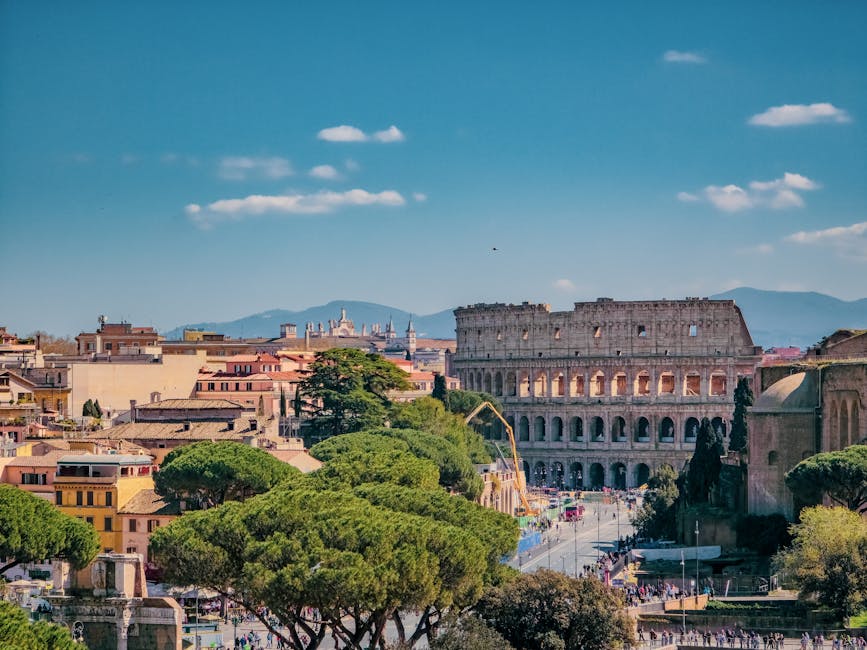
Rome
Rome blends Ancient, Renaissance, and Baroque layers into one compact city. Use this hub to plan entries, walking routes, and the best times for key landmarks.
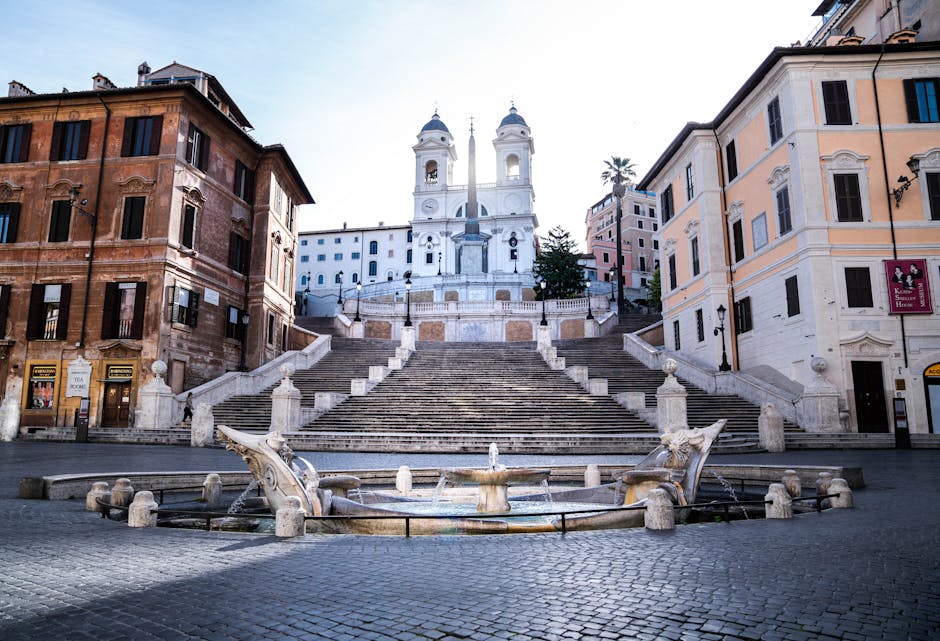
Spanish Steps
The Spanish Steps are an 18th‑century staircase linking Piazza di Spagna with Trinità dei Monti, a classic Roman gathering point.
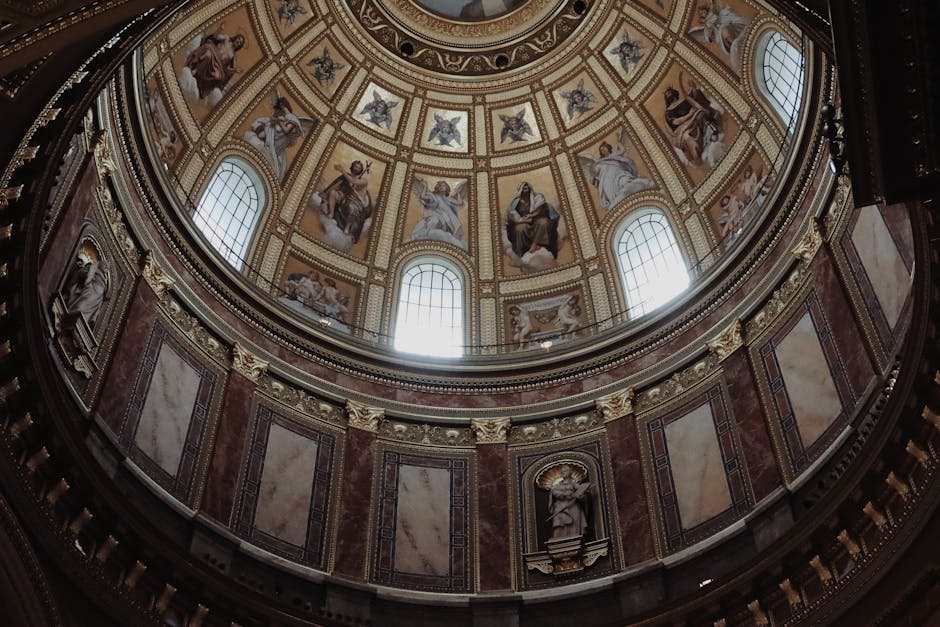
St Peter’s Basilica
St Peter’s Basilica is the world’s largest church, renowned for Renaissance masterpieces, monumental scale, and the famous dome above St Peter’s Square.
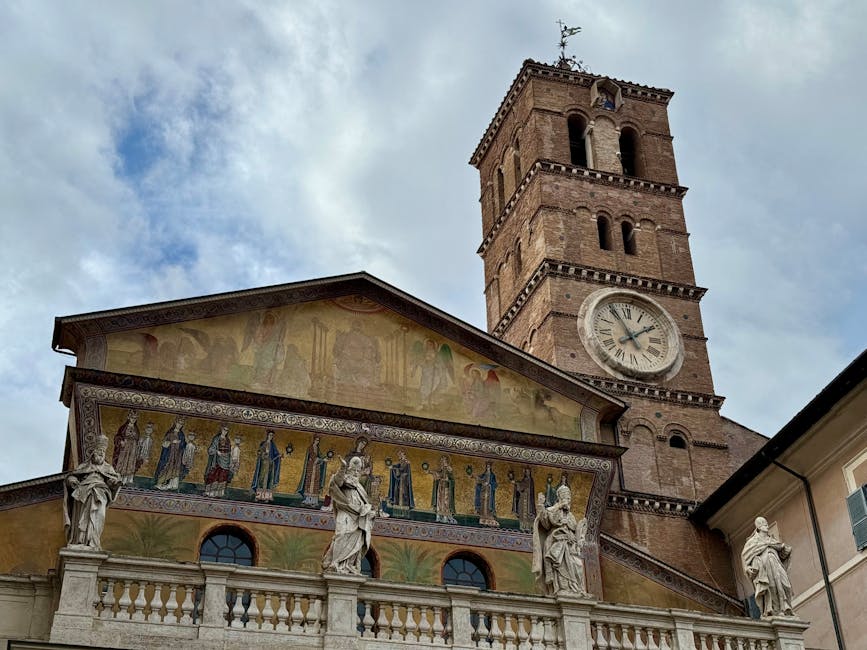
Trastevere
Trastevere is a historic neighborhood of cobbled lanes, lively piazzas, and Roman trattorias — especially atmospheric after dark.
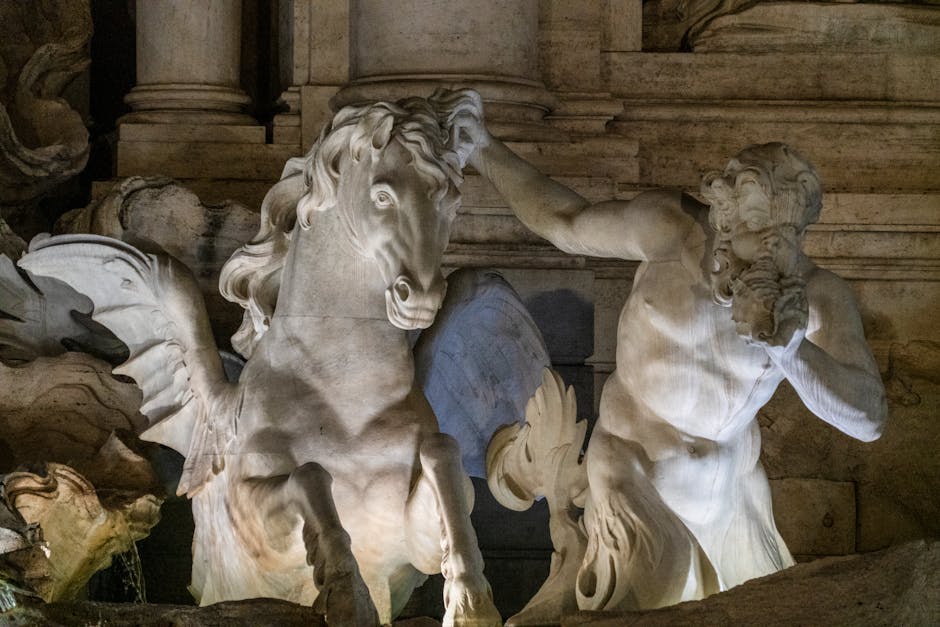
Trevi Fountain
The Trevi Fountain is Rome’s most famous Baroque fountain, fed by the ancient Aqua Virgo aqueduct and framed by monumental sculpture.
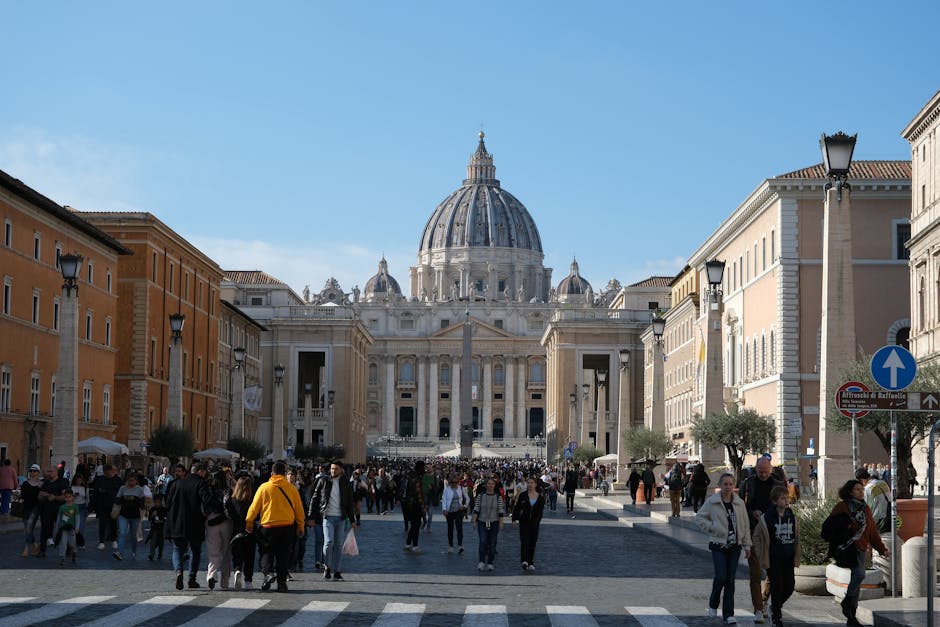
Vatican
The Vatican is an independent city‑state and spiritual center with St Peter’s Square, the basilica, and world‑class museums.
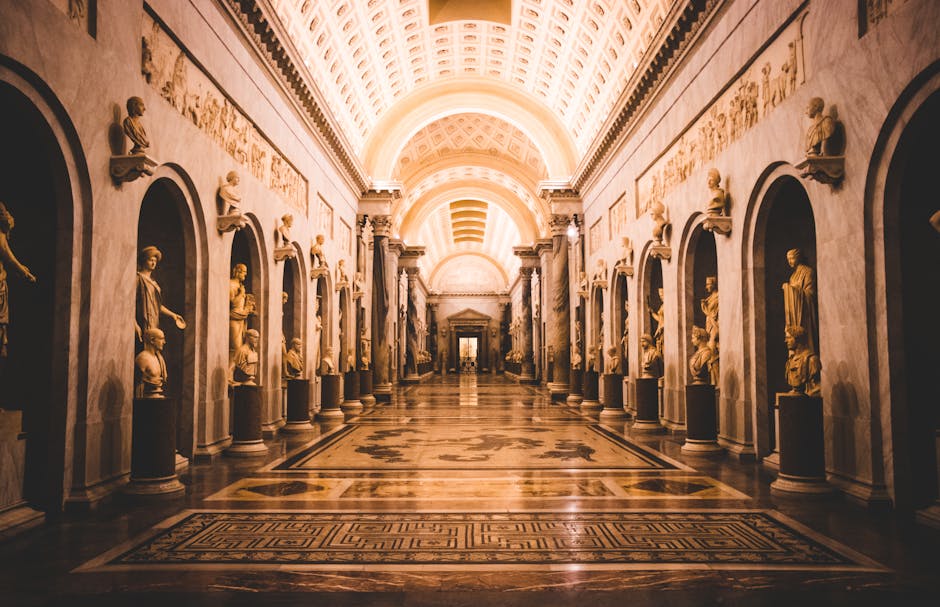
Vatican Museums
The Vatican Museums house one of the world’s greatest art collections, culminating in the Sistine Chapel and the Raphael Rooms.